

Back Pain and Backpacks: Why Load Matters
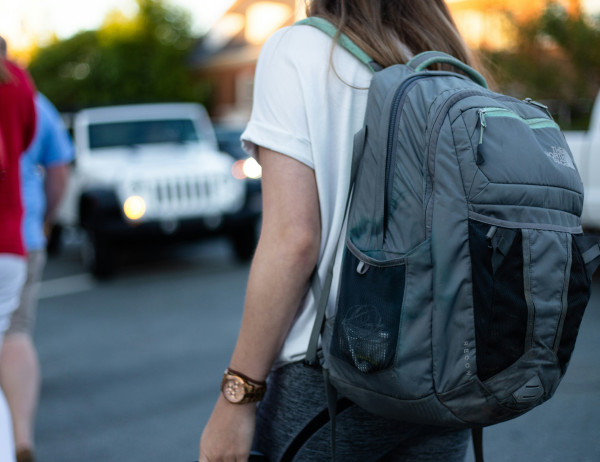
Back pain associated with backpacks is something we see regularly in physiotherapy practice, particularly among teenagers, students, and people whose work involves carrying equipment throughout the day. While backpacks are often viewed as harmless everyday items, the amount of load they place on the body can significantly affect posture, movement patterns, and musculoskeletal health.
Teenagers are especially vulnerable. Many students walk to school carrying bags filled with textbooks, laptops, folders, sports equipment, and water bottles. During adolescence, the musculoskeletal system is still developing, and a sudden increase in load can place excessive stress on the spine, shoulders, and surrounding muscles. This can lead to muscular fatigue, altered posture, neck strain, and back pain.
One common issue is poor load distribution. Carrying a heavy backpack on one shoulder or using a bag that hangs too low encourages the body to compensate by leaning forward or to one side. Over time, this can contribute to muscle imbalance, stiffness, and discomfort. In some cases, young people reduce physical activity because of persistent pain, which can then affect overall strength and conditioning.
Adults are not immune to the same problem. Many professions involve repeated carrying of books, tools, or equipment throughout the working day. Teachers, hairdressers, therapists, mobile healthcare workers, photographers, and tradespeople frequently report neck and upper back pain linked to prolonged carrying and repetitive loading. Often, the issue is not one single heavy lift, but the cumulative effect of smaller loads carried over many hours or years.
Fortunately, small practical adjustments can make a considerable difference. Choosing a backpack with wide, supportive straps and ensuring it fits securely against the body can help minimise unnecessary movement and strain. Heavier items should be packed close to the spine, while unnecessary contents should be removed regularly to reduce overall weight. In some situations, a wheeled bag can significantly decrease mechanical stress and improve comfort.
We are also seeing an increasing number of recreational runners and walkers incorporating backpacks into training, particularly for commuting, hiking preparation, or endurance events. Running with additional load changes biomechanics considerably. It increases energy expenditure, alters gait mechanics, and places greater demand on the trunk, hips, knees, and ankles. Even a relatively small increase in carried weight can affect running efficiency and tissue loading.
Most research into running with heavy backpacks comes from military training environments, where recruits may carry substantial loads over long distances. These studies demonstrate increased stress on the lower limbs and spine, particularly when conditioning is inadequate or loads are introduced too quickly.
For recreational runners, the key is gradual adaptation. Introducing load progressively and combining it with appropriate strength training for the core and lower limbs can help the body tolerate the additional demands more effectively. A well-fitted running pack that limits excessive bouncing or movement is also important.
Ultimately, backpacks are not inherently harmful, but excessive or poorly managed load can contribute to pain and injury. Paying attention to posture, conditioning, bag fit, and overall carrying habits can help reduce strain and maintain long-term musculoskeletal health.
If you are experiencing persistent neck or back pain related to carrying equipment, school bags, or running packs, physiotherapy assessment can help identify contributing factors and guide appropriate treatment and rehabilitation.
Posted by: AislingBirch
Date: Sun, September 06, 2026


